
Why Travel Coverage Matters for Ukraine
Visit Ukraine Travel Insurance Explained Your Essential Coverage Guide
Planning a trip to Ukraine? Our Visit Ukraine Insurance provides affordable, reliable coverage tailored for travelers, ensuring peace of mind from arrival to departure. Stay protected against medical emergencies, trip disruptions, and unexpected mishaps while exploring the country’s rich culture and stunning landscapes. Get your policy today and travel with confidence!
Why Travel Coverage Matters for Ukraine
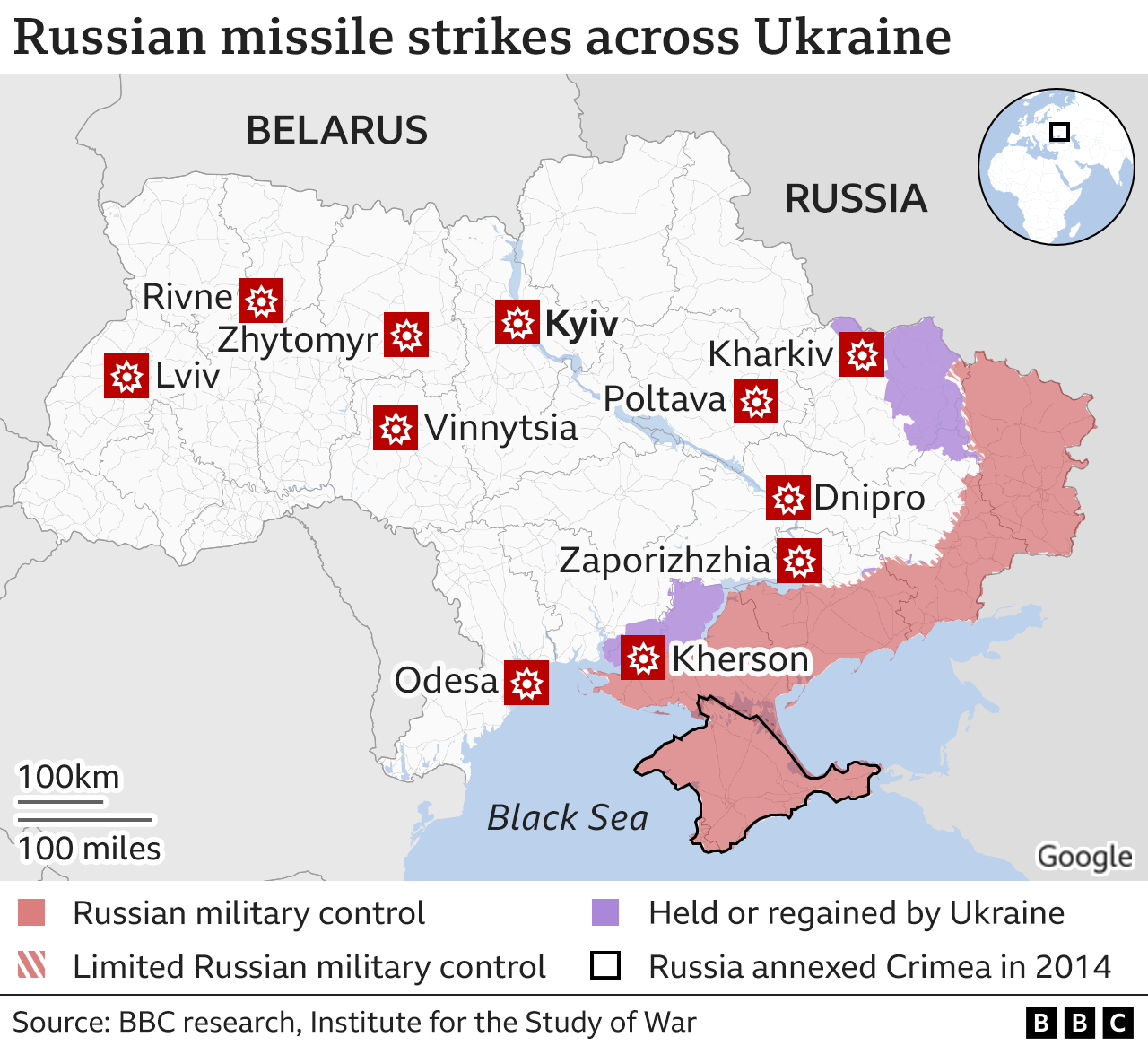
Travel coverage matters for Ukraine because it’s not just about lost luggage or flight delays—it’s about real safety in an active war zone. Standard insurance often excludes conflict zones, leaving travelers financially exposed if they need emergency evacuation or medical care. With Ukraine under martial law, a single missile strike or sudden border closure can disrupt your trip entirely. Comprehensive war-risk insurance covers these unique threats, from hospital stays to crisis response. Beyond practical needs, having coverage gives you peace of mind to focus on meaningful support—whether volunteering or visiting family.
Without specific war-risk coverage, a routine injury could cost thousands amid scarce medical resources.
Plus, many policies now include security telemedicine services, connecting you to specialists if local hospitals are overwhelmed. It’s a small investment that turns a risky journey into a manageable, responsible one.
Understanding the Current Risk Landscape
Travel coverage for Ukraine matters more than ever because it gives you a safety net in a region facing ongoing volatility. Comprehensive travel insurance for Ukraine isn’t just about lost luggage; it covers emergency medical evacuation, trip cancellations due to sudden airspace closures, and even war-related disruptions. Without it, a single unexpected event—like a missile strike affecting your transport route—could leave you with massive out-of-pocket costs. The peace of mind alone is worth the premium when you’re navigating a conflict-zone itinerary. Most standard policies exclude active war zones, so you need a specialized plan that explicitly includes:
- Medical evacuation to a neighboring safe country
- Coverage for trip interruptions due to military escalations
- 24/7 assistance for embassy or security alerts
Bottom line: don’t travel to Ukraine without verifying your policy’s fine print—it’s your financial lifeline in a place where stability can shift overnight.
Key Protection Gaps Without a Policy
Travel coverage for Ukraine is not a luxury but a critical tool for national resilience. When foreign visitors feel protected by solid insurance, they are far more likely to risk the journey, injecting vital foreign currency into local businesses, hotels, and restaurants. This direct economic support helps stabilize a war-torn economy, while simultaneously countering narratives of isolation. Comprehensive policies cover evacuation logistics and emergency medical transport, offering a safety net that allows travelers to engage confidently in crucial sectors like journalism, humanitarian aid, and business reconstruction. Without this financial safeguard, the influx of international presence—essential for Ukraine’s recovery—would dry up, leaving the nation more vulnerable to economic collapse and informational blackouts.
Core Components of a Ukraine Travel Policy
A robust Ukraine travel policy must prioritize comprehensive risk assessment and security protocols given the ongoing conflict. Core components include mandatory real-time monitoring of government travel advisories, pre-approved itineraries excluding active combat zones, and compulsory registration with the embassy. The policy should mandate secure accommodation with bomb shelters, reliable transportation with designated rendezvous points, and a strict communication schedule with designated home-office contacts. Furthermore, it must enforce robust cybersecurity measures on all devices, prohibit unofficial travel into high-risk areas, and establish clear emergency evacuation procedures. Crucially, the policy requires full private medical and security evacuation insurance, empowering employees with concrete safety measures while allowing essential operations to proceed with disciplined caution.
Medical Evacuation and Emergency Transport
A comprehensive Ukraine travel policy must prioritize risk assessment and security protocols given the active conflict zones. Core components include mandatory real-time travel tracking via registered apps, a strict no-go list for oblasts under active hostilities, and pre-approved itineraries that bypass military infrastructure. The policy should mandate single-hotel stays with bomb shelter access, daily check-ins with a security liaison, and a 24/7 emergency contact network. Financial controls require pre-paid expense limits, cash reserves in local currency, and evacuation insurance covering private transport to the Polish border. Key risk mitigations include prohibiting roadside photography near checkpoints and requiring basic Ukrainian phrase cards. All travelers must complete a hostile-environment awareness briefing before departure.
Coverage for Trip Interruptions and Delays
A robust Ukraine travel policy must prioritize security vetting, leveraging real-time intelligence from the Ukrainian government and reputable security firms. Real-time threat monitoring is non-negotiable for any corporate travel to the region. The policy should mandate registration with the embassy, strict adherence to curfews, and pre-approved itineraries that avoid active conflict zones. Comprehensive evacuation plans, including designated rally points and emergency contacts, must be documented and rehearsed. Travelers require specialized insurance covering war-risk, medical evacuation, and kidnap and ransom. The policy must also enforce communication protocols, with mandatory check-ins via satellite phones or encrypted apps. All approvals should flow through a single, senior-level security director to ensure accountability.
Protection Against Lost or Stolen Documents
A comprehensive Ukraine travel policy must prioritize safety and security protocols due to the active conflict zones. Core components include mandatory real-time travel tracking via approved apps, strict no-go zones defined by Ministry of Foreign Affairs alerts, and contingency evacuation plans. Pre-travel approvals require senior management sign-off, plus mandatory specialized training on mine awareness and emergency procedures. Health insurance must cover war-related injuries and medical evacuation. The policy should also enforce tiered travel authorizations—restricting non-essential trips while allowing critical humanitarian or business operations. Regular review of local regulations ensures compliance, balancing duty of care with operational necessity.
Mandatory vs. Recommended Coverage Types
When structuring a risk management strategy, understanding the distinction between mandatory vs. recommended coverage types is crucial for both legal compliance and financial security. Mandatory coverage, such as auto liability insurance, is enforced by law to protect third parties and ensure basic public safety. Failing to carry it can result in fines, license suspension, or legal liability. In contrast, recommended coverage—like umbrella liability or comprehensive business interruption insurance—is not legally required but is essential for mitigating significant, unanticipated gaps. An expert would advise that while mandatory policies set the floor, neglecting recommended types often exposes individuals or businesses to catastrophic out-of-pocket costs. The optimal strategy involves treating mandatory lines as a non-negotiable baseline and carefully evaluating high-value recommended options to close critical vulnerabilities, particularly for assets you cannot self-insure.
Legal Requirements for Foreign Visitors
Understanding the distinction between mandatory and recommended coverage types is crucial for risk management. Mandatory coverage, such as auto liability or workers’ compensation, is legally required to operate, often with minimum limits dictated by state or federal law. Recommended coverage, like comprehensive auto or umbrella liability, is optional but provides critical protection against financial gaps from major claims not covered by mandatory policies. For example:
- Mandatory: General liability insurance for commercial leases.
- Recommended: Business interruption insurance for income loss.
The real cost of a policy is never the premium—it’s the claim you cannot afford to pay out of pocket.
A prudent strategy involves evaluating mandatory requirements first for compliance, then layering recommended coverage to address specific vulnerabilities in assets or liability exposure.
Optional Add-Ons for Extended Stays
Understanding the difference between mandatory and recommended coverage types is crucial for financial resilience. Optimal risk management balances legal requirements with strategic protection. Mandatory coverage, such as auto liability insurance, is enforced by law or lenders to safeguard third parties from severe financial harm. In contrast, recommended coverage—like umbrella insurance—is optional but designed to close critical gaps that mandatory policies often leave open. Evaluating your unique exposure is key.
- Mandatory: Required by law or contract (e.g., workers’ comp).
- Recommended: Protects against rare but devastating events (e.g., disability insurance).
Comparing Providers for Trips to Ukraine
When planning travel to Ukraine, comparing providers is crucial for a safe and seamless journey, as the region’s unique logistics demand trusted trip operators. Some specialize in direct border transfers from Poland or Romania, offering armored vehicles and real-time security updates, while others focus on bespoke itineraries to cities like Kyiv or Lviv. Cross-reference each provider’s insurance coverage, cancellation policies, and local partnerships. A dynamic, reliable choice not only navigates unpredictable checkpoints but also provides essential ground support for accommodations and emergency contacts. Prioritize providers with transparent pricing and verified traveler reviews to ensure your experience is both adventurous and secure.
Top Global Insurers Active in the Region
When comparing providers for trips to Ukraine, prioritize firms with established ground networks in Kyiv, Lviv, and Odesa. Leading operators like Visit Ukraine Today and Ukrainian Travel Partners offer comprehensive packages, including secure transport and conflict-aware guides, whereas budget alternatives often lack real-time safety updates. Look for providers that guarantee flexible cancellation policies and 24/7 local support. Key differentiators include insurance coverage for war zones and logistics for border crossings. A reliable provider will be transparent about restricted regions, ensuring you avoid volatile areas near the front lines.
To make a smart choice, evaluate three critical factors: transparent pricing with no hidden fees, verifiable local partnerships, and published safety protocols. Compare itineraries side-by-side using a checklist: vetted accommodations, driver training for emergency routes, and access to air raid shelters. Avoid any agency that cannot immediately provide a detailed risk assessment for your intended route. The best providers bundle cultural immersion with robust security measures, offering guides who double as safety coordinators. Remember: in a dynamic environment, an experienced agency with boots on the ground is worth the premium. Do not compromise on accountability—insist on seeing their emergency evacuation plan before booking.
Local Specialists vs. International Carriers
When comparing providers for trips to Ukraine, prioritize those with proven security protocols and real-time ground support. Key factors include transparent pricing for transport, accommodation, and evacuation insurance, as well as access to vetted local guides. visit ukraine insurance Reliable trip operators for Ukraine differ sharply in their crisis response times and network depth.
- Route diversity: Check if providers offer multiple border entry points (e.g., Poland, Moldova, Romania) to avoid bottlenecks.
- Insurance coverage: Confirm war-risk and medical evacuation policies, not just standard travel insurance.
- Communication: Do they provide 24/7 in-country contacts and satellite phone options?
Never book with a company that cannot guarantee a dedicated emergency point person inside Ukraine within 30 minutes of notification.
Finally, cross-reference recent traveler reviews on independent forums, not just the provider’s own site, to gauge reliability under real-world conditions.
How to Evaluate a Policy’s Fine Print
To evaluate a policy’s fine print, first isolate key definitions and exclusions, as these terms silently define coverage boundaries. Scrutinize deductibles, waiting periods, and renewal conditions, which often conceal cost escalations. Cross-reference any ambiguous phrasing—such as “reasonable expenses”—against industry standards or legal precedents. Flag clauses that allow unilateral amendments or binding arbitration, as these shift power away from you. Every word in a policy is a trap or a tool; only by reading actively can you disarm the former. Finally, calculate worst-case scenarios for caps and sub-limits, ensuring your core assets remain protected. Demand clarity on any provision that feels deliberately obscured, because vague language nearly always serves the issuer, not you. This systematic scrutiny transforms fine print from a liability into a negotiable road map for genuine security.

Exclusions for War and Civil Unrest
When my grandmother signed up for a new health plan, she trusted the smiling agent and ignored the dense packet—until her first claim was denied. That’s when I learned to evaluate a policy’s fine print like a detective. Understanding policy exclusions is the first step: check for terms like “pre-existing condition” or “act of God.” Next, scan for coverage limits and deductibles—does the policy cap payouts per event or year? Finally, trap hidden fees by reading the “additional costs” section, often buried in tiny font.
“The real cost of a policy is never in the headline—it’s always buried in the exceptions.”
Once you know these pitfalls, compare policies side by side in a simple table:

| Check | Red Flag |
|---|---|
| Exclusions | Blanket “all other causes” clause |
| Premiums | Sudden increases after first year |
| Claims Process | Requires notarized proof within 24 hours |
By practicing this routine, you turn fine print from a trap into your strongest shield.
Deductibles, Limits, and Claim Processes
To evaluate a policy’s fine print, adopt a forensic scrutiny of exclusions, definitions, and obligations. Identifying hidden coverage gaps is your primary goal. Start by circling all bold, italicized, or capitalized words, as these are often legally defined terms that limit your rights. Then, scan for “except,” “not covered,” or “unless” clauses, which indicate major limitations. Cross-reference these restrictions against your specific needs; if the policy excludes your most likely risks, it offers zero value. Finally, check the cancellation and renewal terms for hidden traps. A bulletproof evaluation demands you read between the lines, not just the bold promises.
Practical Steps Before You Book
Before finalizing any accommodation, verify cancellation policies and hidden fees, such as cleaning or service charges. Compare prices across multiple booking platforms to ensure you are not overpaying. Read recent guest reviews for insights about noise levels, cleanliness, and host responsiveness. Check the property’s exact location on a map to confirm proximity to public transport or amenities. Always confirm Wi-Fi availability and bedroom counts directly with the host. Review the check-in and check-out times to avoid unexpected penalties. Finally, secure your booking with a credit card that offers travel protections rather than a debit card.
Documents Required for Application
Before you hit that “book now” button, take a few practical steps to avoid regrets. First, scroll through recent guest reviews on multiple platforms, not just the star rating. Then, double-check the cancellation policy—some deals are non-refundable. Pre-booking research saves money and stress. Next, verify hidden costs like resort fees or cleaning charges by checking the total at checkout. Finally, screenshot the booking confirmation and property contact info. Quick actions like these turn a gamble into a confident reservation.
Timing Your Purchase for Best Coverage
Before finalizing any booking, conduct a thorough comparison of prices across multiple platforms, including the provider’s direct website. Price comparison across platforms often reveals significant savings or exclusive perks. Check the cancellation policy, as flexible terms can save you from financial loss. Verify that all taxes and fees are clearly stated in the final total, not added later. Ensure the booking includes your exact travel dates, room type, and any add-ons like airport transfers. Confirm the property or service’s verified reviews on independent sites to gauge real guest or user experiences. Finally, save a copy of the confirmation and payment receipt for your records.
Handling Emergencies While in Ukraine
When you’re navigating emergencies in Ukraine, staying calm and having a plan is key. Always keep your phone charged with offline maps downloaded, as internet can be spotty. For medical or fire issues, dial 103 or 101 directly. The national police number is 102. If air raid sirens sound, immediately head to the nearest shelter—metro stations often double as bomb shelters in larger cities. Keep a small emergency kit with water, snacks, a flashlight, and copies of your passport handy. For consular help, register with your embassy’s website so they can alert you. Avoid wandering into conflict zones or curfew hours, and follow local authority instructions. Maintaining situational awareness is your best defense. It sounds basic, but checking local news daily can save you from heading into risky areas.
Contacting Your Insurer from Abroad
If you’re facing an emergency in Ukraine, the first step is to stay calm and decisive. **Get to a shelter immediately**—air raid sirens mean move, not wait. Keep your phone charged and save local emergency numbers: 101 (fire), 102 (police), 103 (ambulance). For real-time alerts, use the official “Air Alert Ukraine” app. Always carry your passport and a printed emergency contact card. If you lose your signal, head to the nearest metro station, hospital, or volunteer hub—they often have backup power and WiFi. Remember, local volunteers and the State Emergency Service are highly trained and ready to help travelers. Stay low, move fast, and follow official instructions.
Navigating Local Healthcare Systems
When handling emergencies while in Ukraine, your first step is to remain calm and prioritize safety over property. Always keep your passport, phone, and emergency contacts in a waterproof, easily accessible pouch. For medical crises, dial 103 (ambulance), and for fires or security threats, call 101. During air raid alerts—marked by continuous sirens—immediately move to the nearest shelter: underground metro stations, basements, or designated bunkers. Do not use elevators. If caught outside, lie flat in a ditch away from buildings and cars, covering your head. Keep a “go-bag” with water, snacks, a power bank, and a first-aid kit. Memorize the location of your embassy and pre-register with it. Emergency preparedness in Ukraine demands constant vigilance; never ignore sirens or official alerts, as delays can be fatal.
Common Misconceptions About Coverage
Many assume that coverage automatically includes every possible disaster, but a standard policy often excludes floods and earthquakes, requiring separate riders. A critical misconception is that coverage equals full replacement value; depreciation can reduce payouts significantly. Confusing liability coverage with property protection is another pitfall, leaving policyholders exposed if a lawsuit arises from an accident. Don’t fall for the myth that business interruption insurance kicks in instantly—most have a waiting period. Finally, digital assets and cyberattacks are rarely covered under generic plans. Understanding these gaps is the first step to securing robust protection. Policy exclusions are often buried in fine print, so always verify what’s actually written.
Q: Does home insurance cover jewelry?
A: No, standard policies cap theft of valuables at a low limit (e.g., $1,500). You must schedule high-value items separately for full coverage.
Why Standard European Plans Often Fall Short
Many believe insurance covers all pre-existing conditions from day one, which is false. Most policies impose waiting periods or exclude them entirely. Another persistent error is assuming flood or earthquake damage is always included in standard homeowners plans; in reality, separate riders are typically required. Additionally, people often think their policy pays the full replacement cost of stolen items, but actual reimbursement is limited by depreciation and specific coverage caps. To avoid gaps, always review exclusions for acts of God, wear and tear, and business-related losses.
Debunking Myths Around Price vs. Protection
Many people believe “comprehensive” insurance covers everything from a fender bender to a flat tire—until their claim is denied. The most stubborn misconception about coverage is that full coverage auto insurance guarantees complete protection. In reality, “full coverage” is a myth; policies are bundles of separate limits. One client, after a hailstorm, was shocked to learn his comprehensive coverage didn’t pay for pothole damage to his suspension (collision covers that). Another assumed liability would replace his stolen laptop from the car—only to find liability only pays for damages *you* cause to others.
Common myths:
- Red cars cost more to insure—age, driving record, and location matter far more.
- Your insurance follows the car, not the driver—permissive use varies wildly by policy and state.
- Homeowners insurance covers flood damage naturally—it typically excludes rising water; separate flood policies are needed.
Q&A:
Q: If someone borrows my car and crashes it, does my insurance pay?
A: Usually yes, but only if they had your permission. Their policy might pay first, or yours kicks in as secondary—it depends on each carrier’s fine print and state laws.
