
Understanding OFAC Sanctions on Cuba Impact and Compliance
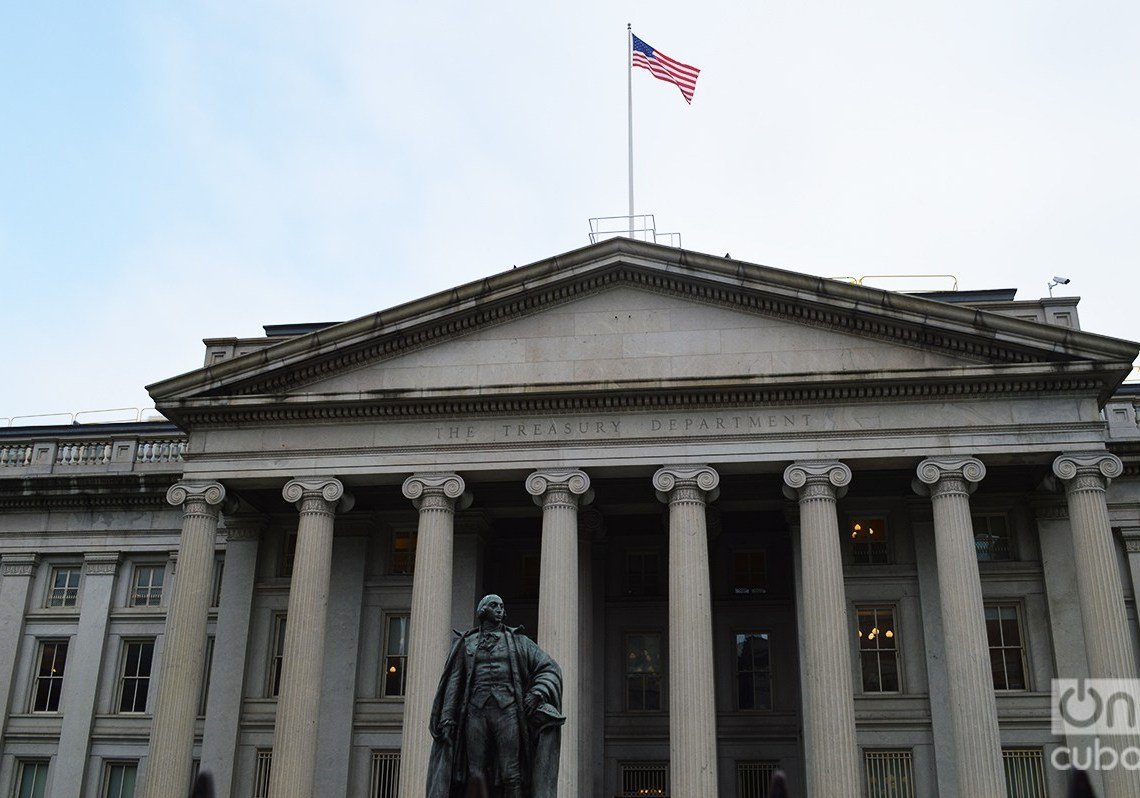
Understanding OFAC Sanctions on Cuba: Impact and Compliance
The Office of Foreign Assets Control (OFAC) has imposed various sanctions on Cuba, marking a significant aspect of U.S. foreign policy towards the island nation. These sanctions have evolved over decades, reflecting the changing political landscape and the relationship between the United States and Cuba. The comprehensive scope of these sanctions not only affects government entities but also extends to individuals and businesses. For an in-depth analysis of the rules and compliance measures related to OFAC sanctions on Cuba, you can refer to this OFAC sanctions Cuba https://foodtrucklady.com/pages/?ofac-sanctions-on-cuba-rules.html.
History of OFAC Sanctions on Cuba
The sanctions against Cuba date back to the early 1960s, when the Cuban Revolution led to the establishment of a communist government under Fidel Castro. The U.S. government, concerned about the spread of communism in the Western Hemisphere, initiated an economic embargo in 1960, which was formalized with the Cuban Trade Act of 1962. This marked the start of extensive OFAC regulations prohibiting trade, travel, and financial transactions with Cuban entities.
Types of Sanctions
OFAC sanctions on Cuba can broadly be categorized into two main types: economic sanctions and travel restrictions. Economic sanctions involve prohibitions on trade and financial transactions, while travel restrictions limit the conditions under which U.S. citizens can visit Cuba.
Economic Sanctions
Economic sanctions are perhaps the most restrictive aspect of OFAC’s policy towards Cuba. U.S. individuals and entities are prohibited from engaging in trade with Cuban businesses or the Cuban government. This includes restrictions on the export of goods and services, with few exceptions such as the sale of food and medicine, which are generally allowed under humanitarian exemptions.
Travel Restrictions
Travel to Cuba has also been significantly regulated. While restrictions have fluctuated under different presidential administrations, certain categories of travel allow individuals to visit under specific conditions, such as family visits, educational activities, and humanitarian projects. However, general tourism remains prohibited, necessitating compliance with OFAC’s regulations.
Recent Developments in Sanctions
In recent years, U.S. policy towards Cuba has shifted, resulting in both tightening and easing of sanctions. The Trump administration reinstated several restrictions that had been relaxed under the Obama administration, reversing many of the diplomatic strides made during that period. For example, the restriction on financial transactions with entities owned by the military and security services in Cuba was reinstated, impacting various sectors of the Cuban economy.
Compliance Challenges
For businesses and individuals, compliance with OFAC sanctions can pose significant challenges. The complexity of the regulations necessitates a thorough understanding of what is permissible and what is not. Non-compliance can lead to severe penalties, including significant fines and restrictions on future business operations.
Key Compliance Measures
To navigate the landscape of OFAC sanctions, entities must implement comprehensive compliance programs. This includes conducting regular reviews of their transactions to ensure that they do not involve sanctioned Cuban entities or individuals. Additionally, businesses should provide training to employees on the importance of compliance and the implications of violations. Legal counsel specializing in OFAC regulations can also provide critical assistance in this complex area.
Impact on U.S.-Cuba Relations
OFAC sanctions have far-reaching implications for U.S.-Cuba relations. They have contributed to economic hardship in Cuba, limiting its access to essential goods and financial resources. This, in turn, has impacted the social and political landscape within the country. Furthermore, U.S. businesses are often caught in the middle, as they seek opportunities in a potentially lucrative market while navigating the restrictions imposed by OFAC.


Humanitarian Considerations
Despite the stringent nature of the sanctions, humanitarian exemptions exist that allow for certain activities, particularly in the areas of health and education. Organizations focused on providing aid often find pathways to operate in Cuba under OFAC’s guidance, demonstrating that even in a restricted environment, support can be offered.
Conclusion
OFAC sanctions on Cuba reflect the broader geopolitical dynamics between the United States and Cuba. Understanding these sanctions is vital for anyone looking to engage with Cuba in any capacity, whether for business or personal reasons. The evolving nature of these sanctions highlights the need for constant vigilance and adaptation. By remaining informed and compliant, individuals and businesses can navigate the complexities of U.S.-Cuba relations while contributing to the dialogue surrounding the future of the two nations.
